Jewish Women and Wigs: If All Cultures Wear Wigs, Why Are Black Women Hounded About It?

As you collect and donate hair products for people with curly or tightly coiled hair, remember these products can help quite a few demographics in your local area. Even new scarves or fabrics that can be used as a nice headwrap can be useful for men and women. Women of various backgrounds have videos and tutorials on how to tie the most beautiful headwraps.
🧠 Jewish women
It would be wise to be mindful that Black women are not the only women with tightly coiled or curly patterned hair. We ARE the most heavily policed and scrutinized and that is intentional, both within the culture and far beyond it.
For many married Orthodox Jewish women, covering the hair is about:
- modesty
- spiritual privacy
- honoring religious practice
Some choose wigs. Some scarves. Some hats. Some don’t cover at all. It’s not monolithic.
And because it’s viewed as “religious,” people tend to treat it with respect.
That makes sense. Religious practice deserves respect.
But so do:
- cultural practices
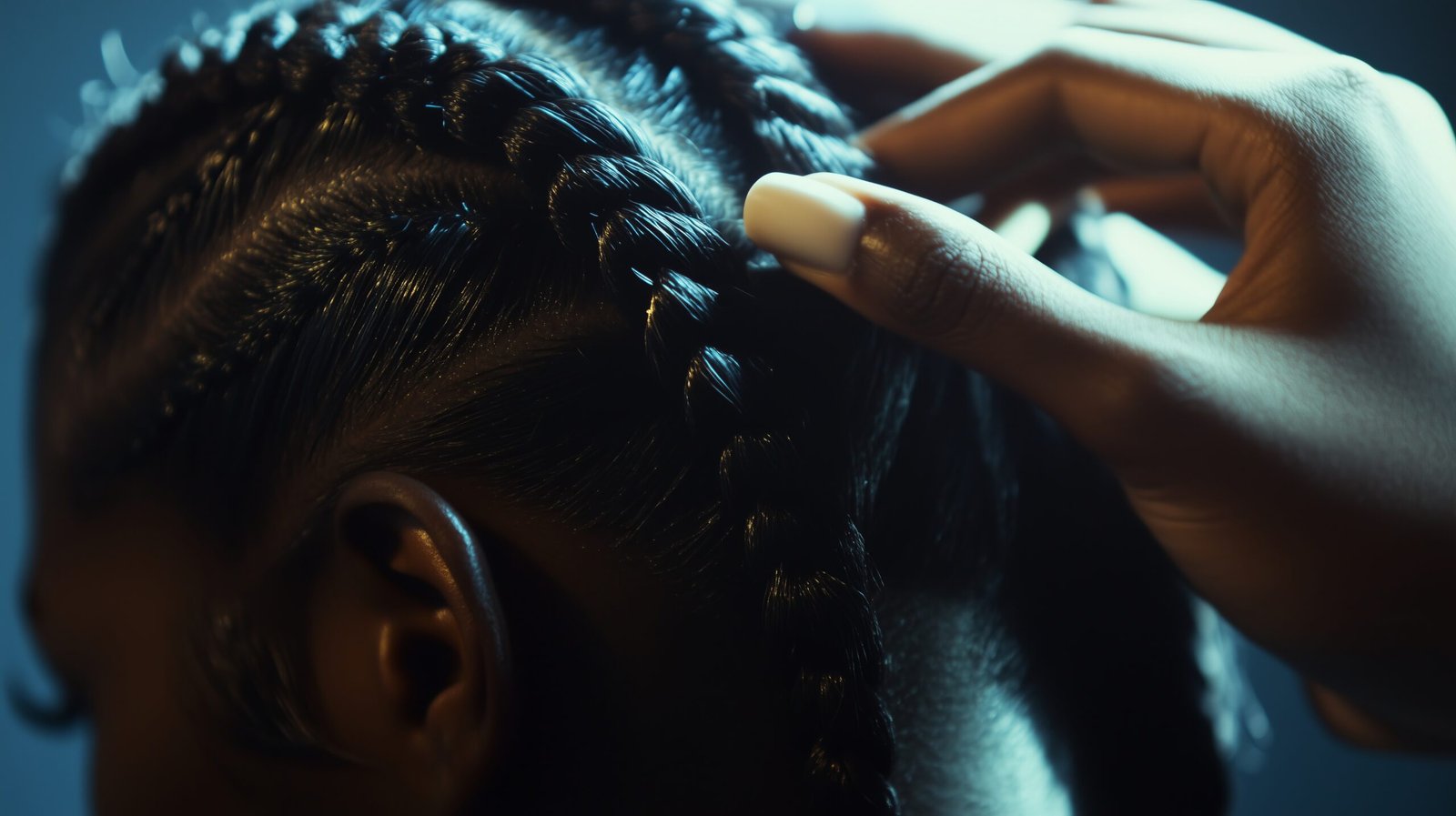
- protective styling
- personal choice
- creative expression
- historical survival strategies
So when working with hair care and donations, it isn’t unusual for other people from different demographics to reach for the products to want to straighten their tresses too. Large segments of society view straight hair as more “professional” than curly hair. Curly hair is for young people, creatives, or people in less serious positions. Sure, that is changing but gradually.
And, as this video lets us know it could be for other reasons too. Some people choose to cover their hair for spiritual reasons or their own personal reasons.
🌿 Here’s the quiet truth
Black women have always adapted, innovated, protected our hair — and our dignity — in systems that tried to punish both.
Wigs, wraps, braids, naturals, presses, twists — these are:
- identity
- history
- creativity
- protection
- sometimes, survival
They aren’t lesser.
They aren’t imitation.
They aren’t “trying to be something else.”
💔 Why is Black American womanhood always the one placed on trial?
When Black women wear wigs, braids, weaves, wraps, or protective styles, people often:
- dissect it
- moralize it
- politicize it
- accuse it of being “fake,” “unprofessional,” or “too much”
Meanwhile, when other cultures wear wigs — including some Jewish women who wear wigs (sheitels) for religious reasons — the response tends to be:
- “That’s their tradition.”
- “That’s cultural.”
- “That’s respectable.”
👉 Some women get framed as cultural.
Others get framed as controversial.
🌸 Where this thought can take us
Instead of questioning others more…
Maybe the work is:
✔️ questioning why Black women’s choices get policed (a method of control)
✔️ reframing our hair choices as sacred, intentional, historical
✔️ normalizing that women-all women- get to choose what feels right for them
✔️ honoring differences without ranking them
BraidtheLadder is all about us having healthier conversations around hair. Most human beings have hair. We need to level up the conversations beyond where we are. One extreme dishonestly and dismissively saying: “It’s just hair.” Another, constantly, concern trolling women and girls about their hair even when they are competing in athletic tournaments. Both extremes stepping over one another to pretend to be experts on what is best for another woman’s hair without genuinely caring about her.